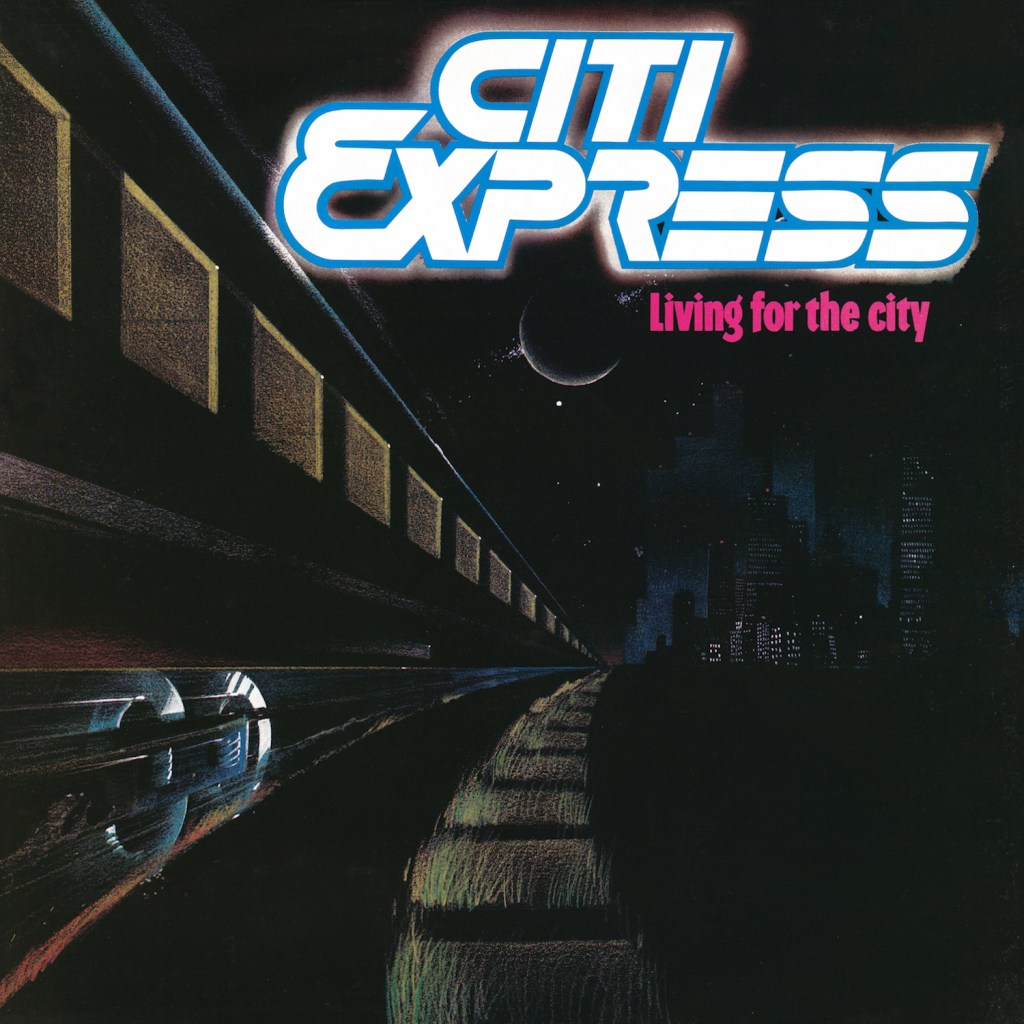
Afrosynth Records has been a world leader in celebrating past masterpieces of South African music since 2017 – this time the label is reissuing a classic from 1991, as the end of apartheid began to dawn.
Citi Express and Living For The City is clearly influenced by the global house music wave of the time, as the music of the country evolved from bubblegum (a pop form in the country) and alongside the more syncopated and driving styles of kwaito, pantsula and other electronic forms.
Label head Dave Durbach explains: “Cover versions of international songs have long thrived in South Africa’s music industry. Often unable to license the original tracks – until the early 90s the result of an international boycott of the country – labels instead hired producers and session artists to re-record them for the local market. Early house music in SA was no different.”
Ron ‘Robot’ Friedman was a former bass player for local rockers Rabbitt and was winding down his label, On Records, when he reached out for new inspiration as the popularity of bubblegum and disco waned.
He hired young DJ/producer Quentin Foster – obsessed with the new soulful house sound coming out of the US – to lead a new studio project named Citi Express.
“On Robot’s insistence it included a cover of Stevie Wonder’s Living for the City (from 1973’s Innervisions) as the title track,” Dave adds.
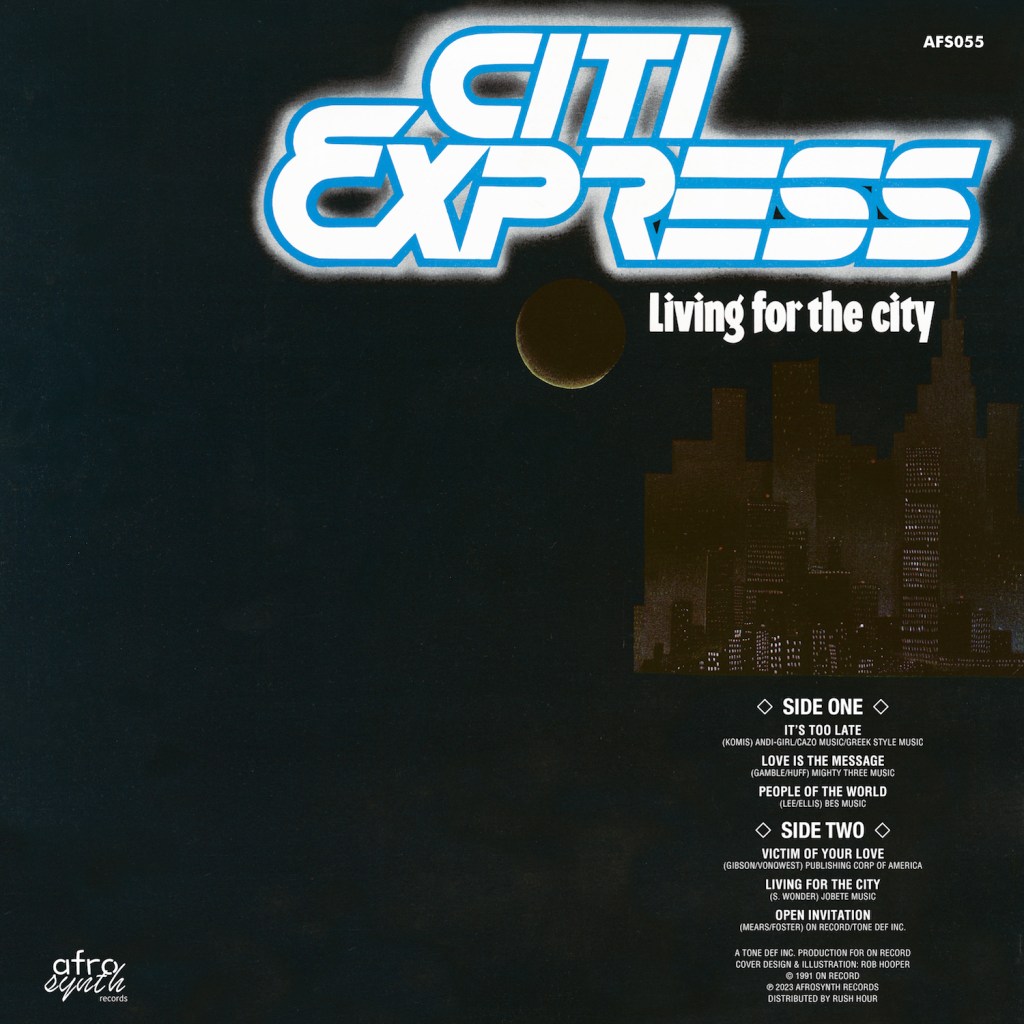
“Foster set to work in his home studio, dubbed Tone Def, selecting and re-working other US and UK tracks – adding some signature South African touches in the process that foreshadow the imminent rise of kwaito. One original composition was added for good measure, Open Invitation.”
The album features It’s Too Late (originally released in 1989 by Kelli Sae), Love is the Message (influenced by the MFSB disco anthem and credited to Gamble & Huff but bearing a closer resemblance to Better Days’ 1990 release written by Steve Proctor), People of The World (recorded by Sorell Johnson in the UK in 1990) and Victim of Your Love (released in 1990 by Gary Vonqwest as Victim of Love).
 WORLD TREASURES MUSIC